Last updated: January 2026
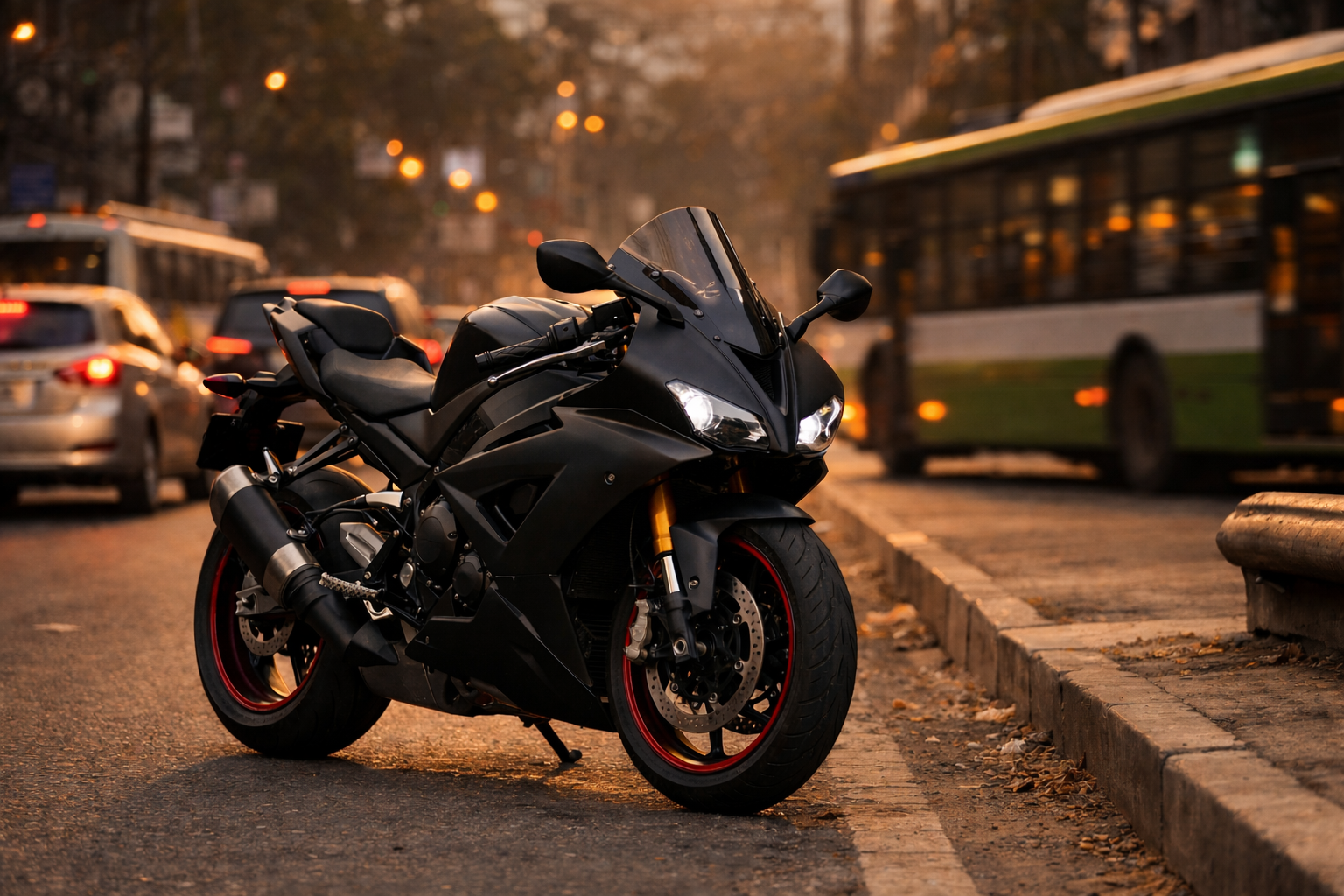
Buying a superbike in India feels like a dream come true—until real-world ownership kicks in.
Beyond the showroom price, there are several costs that don’t get talked about enough. Some show up slowly, others hit harder in everyday city riding, especially under Indian traffic and road conditions.
From maintenance and tyres to heat, fuel, and resale value, superbike ownership comes with expenses that can surprise first-time buyers.
This guide explains the hidden costs of owning a superbike in India, helping you decide whether the experience truly fits your lifestyle and budget.
This guide is intended for first-time superbike buyers and riders upgrading from mid-capacity motorcycles in India.
- Real-world ownership insight:
- Maintenance and Service Costs of a Superbike
- Insurance Costs for Superbikes in India
- Tyre Replacement and Wear Expenses
- Fuel and Daily Running Costs
- Riding Gear and Safety Equipment Costs
- Other Hidden Expenses Most Buyers Ignore
- Practical Challenges of Owning a Superbike in India
- Is Owning a Superbike Expensive in India?
- Is It Worth Buying a Superbike in India?
- FAQs – People Also Ask
- Conclusion
Real-world ownership insight:
These cost patterns are frequently discussed by Indian superbike owners, especially those riding in mixed city and highway conditions. Many of the challenges mentioned here tend to appear within the first 1–2 years of ownership rather than immediately after purchase.
Disclosure: Cost ranges mentioned are based on commonly reported ownership expenses and may vary depending on brand, riding style, location, and service availability.
Maintenance and Service Costs of a Superbike
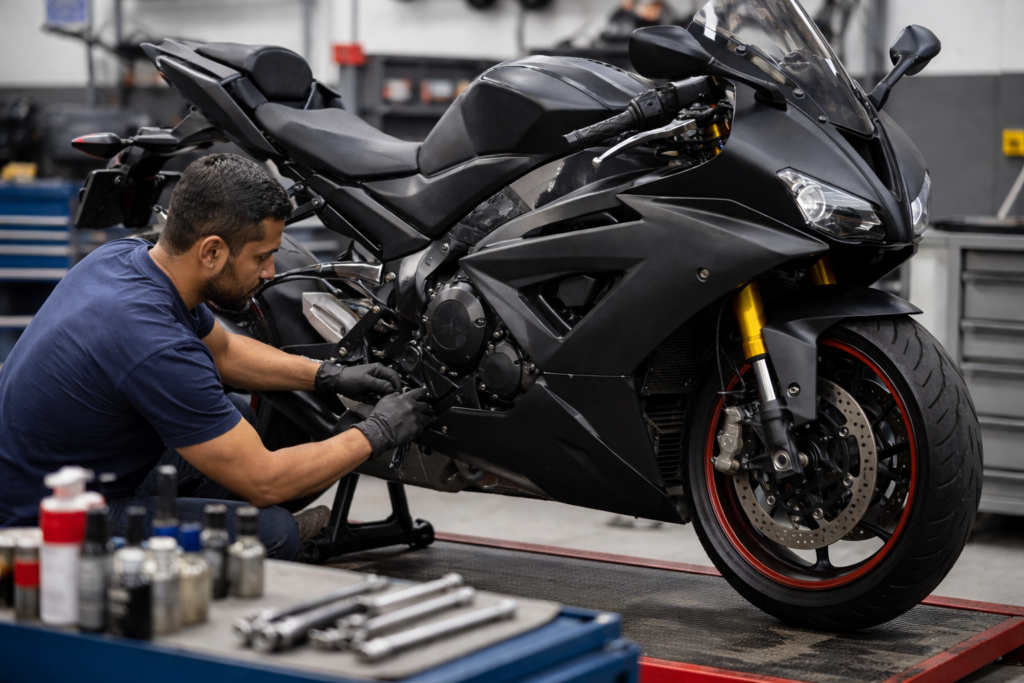
In India, superbike maintenance typically sits in a higher cost bracket due to specialised components, premium fluids, and the need for skilled technicians.
For many owners, this is where expectations start to shift.
Annual maintenance cost range:
₹15,000 – ₹40,000 per year
Costs usually vary based on:
- Engine type and complexity
- Number of services required annually
- Riding frequency and road conditions
- Availability of authorised or experienced independent service centers
Major repairs or part replacements, such as clutch components or brake parts, can increase expenses in certain years.
Insurance Costs for Superbikes in India
Insurance is a recurring cost many buyers underestimate after the first year.
Typical annual insurance cost range:
₹15,000 – ₹35,000 per year
Insurance costs vary based on:
- Bike value and engine capacity
- City of registration
- Coverage type and add-ons
- Claim history
Renewal premiums can rise over time, especially after claims or when additional coverage is added.
Tyre Replacement and Wear Expenses
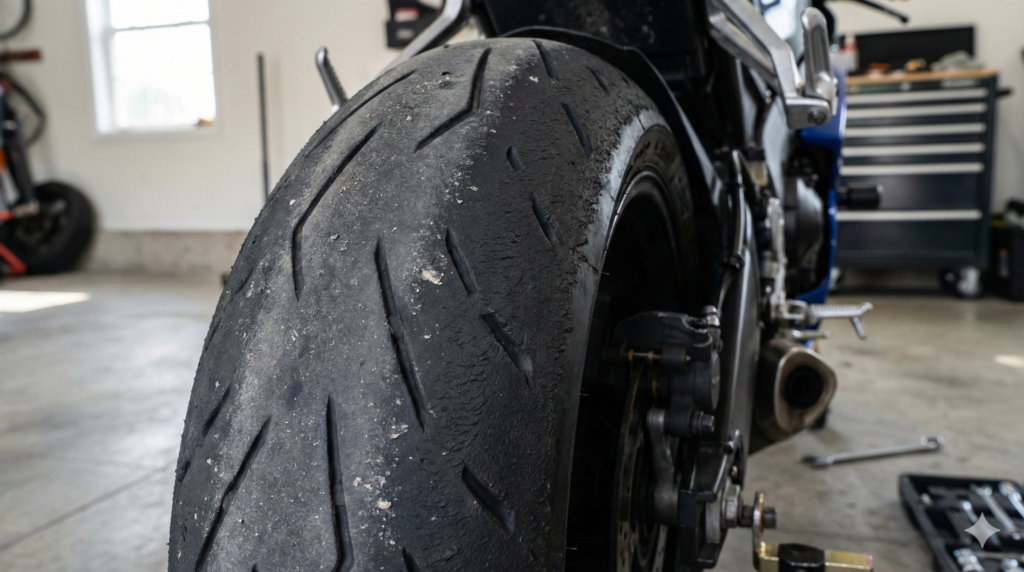
Tyres are often the first “shock expense” for new superbike owners. Most superbikes use soft-compound performance tyres designed for grip rather than long life.
Tyre replacement cost range (per set):
₹25,000 – ₹50,000
8,000 – 15,000 km, depending on riding style and road quality
Indian road surfaces, potholes, and heat can shorten tyre life further, making replacements frequent.
Fuel and Daily Running Costs
In day-to-day city riding, fuel efficiency is rarely a strong point for superbikes, especially when traffic rarely allows steady speeds.
Monthly fuel cost range (moderate usage):
₹4,000 – ₹8,000 per month
Fuel expenses depend on:
- Traffic conditions
- Riding style
- Fuel quality availability
- Engine size and tuning
In slow-moving traffic, mileage usually drops significantly. Most superbikes in India are designed to run on premium fuel (usually RON 95 or higher) due to their high-compression engines, which helps prevent knocking and ensures smooth performance.
Since premium fuel availability can be inconsistent in some regions, riders may use regular petrol with octane boosters or accept slightly reduced performance during touring, but following the manufacturer’s recommended fuel grade remains important for engine health.
Riding Gear and Safety Equipment Costs
Riding a superbike safely isn’t just about skill — proper protective gear becomes a necessary part of ownership from day one.
Typical one-time riding gear cost:
₹30,000 – ₹80,000
This typically includes:
- Certified full-face helmet
- Riding jacket with armour
- Gloves, boots, and riding pants
Some gear items may need replacement over time due to wear or safety guidelines.
Skipping proper gear isn’t just unsafe — it often becomes regretful.
Other Hidden Expenses Most Buyers Ignore
Certain expenses don’t appear immediately but become part of ownership over time.
Additional annual expense range:
₹10,000 – ₹30,000
These may include:
- Secure or paid parking
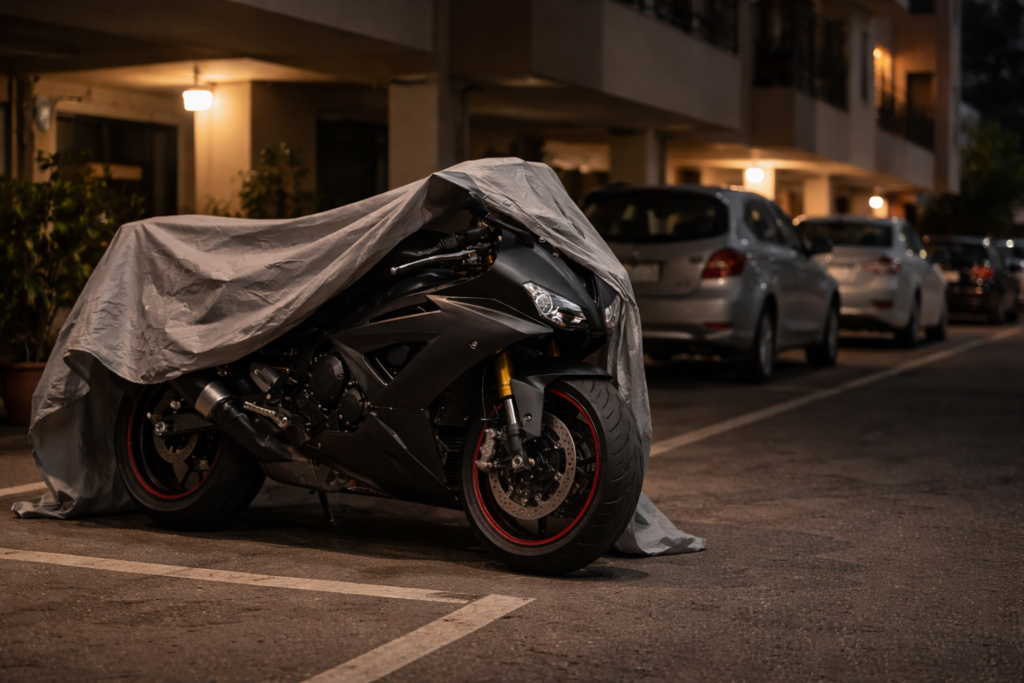
- Anti-theft devices and covers
- Occasional towing or transport to service centres
- Accessories like crash guards or paddock stands
Practical Challenges of Owning a Superbike in India
Traffic & Heat
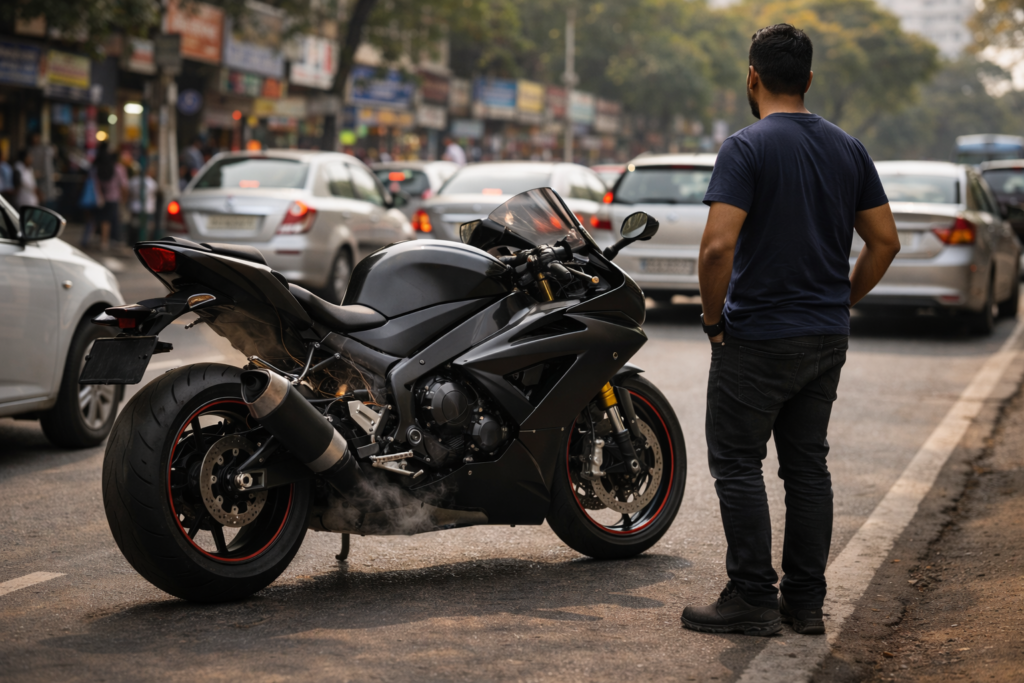
Superbikes generate significant heat, which becomes uncomfortable in slow-moving traffic—something riders in cities like Bangalore, Mumbai, or Pune experience regularly during summer.
Road Conditions
Low ground clearance makes speed breakers, potholes, and uneven roads stressful to navigate.
Service Availability
Outside major cities, finding trained technicians and spare parts can be difficult, increasing downtime.
Resale Value
The resale market for superbikes is smaller, and depreciation can be steep depending on condition, mileage, and brand perception.
Is Owning a Superbike Expensive in India?
For many riders, yes. When maintenance, insurance, tyres, fuel, gear, and indirect costs are combined, superbike ownership is usually expensive compared to regular motorcycles.
Estimated yearly ownership cost range:
₹75,000 – ₹1,50,000 per year
(Excluding purchase cost, EMIs, major accident repairs, and track use)
Actual costs vary widely based on usage, city, and service access.
Is It Worth Buying a Superbike in India?
Owning a superbike can be worth it if:
- You ride primarily on highways or open roads
- Service support is accessible
- Ownership costs fit comfortably within your budget
- The bike is treated as a passion purchase, not daily transport
It may not be ideal if:
- You plan heavy city commuting
- Budget flexibility is limited
- Practicality is a higher priority than experience
FAQs – People Also Ask
How often do superbike tyres need replacement?
Many owners report tyre replacement between 8,000 and 15,000 km, depending on riding style and road conditions.
Do superbikes overheat in Indian traffic?
In slow-moving traffic, heat buildup is common, especially during summer months.
Is resale value of superbikes low in India?
Resale value can drop significantly due to limited buyer demand and high ownership costs.
How much does it cost to maintain a superbike in India annually?
Maintaining a superbike in India typically costs ₹30,000 to ₹70,000+ per year, including servicing, insurance, fuel, riding gear, and periodic tyre replacements.
Are superbikes practical for daily use in Indian cities?
No, superbikes are generally not practical for daily use in Indian cities due to traffic, heat, poor roads, high running costs, and uncomfortable low-speed riding. They are better suited for occasional highway or track rides, as engine heat, potholes, and maintenance make daily commuting tiring despite the thrill they offer.
Do superbikes require premium fuel in India?
Yes, superbikes in India require premium fuel (RON 95 or higher) to prevent engine knock, ensure peak performance, and avoid long-term damage. Due to limited availability, many riders use regular fuel with octane boosters or accept slightly reduced performance when premium fuel isn’t accessible.
Conclusion
Knowing this before buying makes all the difference. The hidden costs of owning a superbike in India go far beyond the purchase price. Maintenance, insurance, tyres, fuel, riding gear, traffic heat, road conditions, service access, and resale value all shape the real ownership experience.
A superbike is not just a vehicle—it slowly becomes a commitment of money, time, and effort. Understanding these costs in advance helps you decide whether the experience truly fits your lifestyle and budget.
For some riders, that commitment feels rewarding. For others, it becomes clearer only after ownership.