Last updated: February 2026
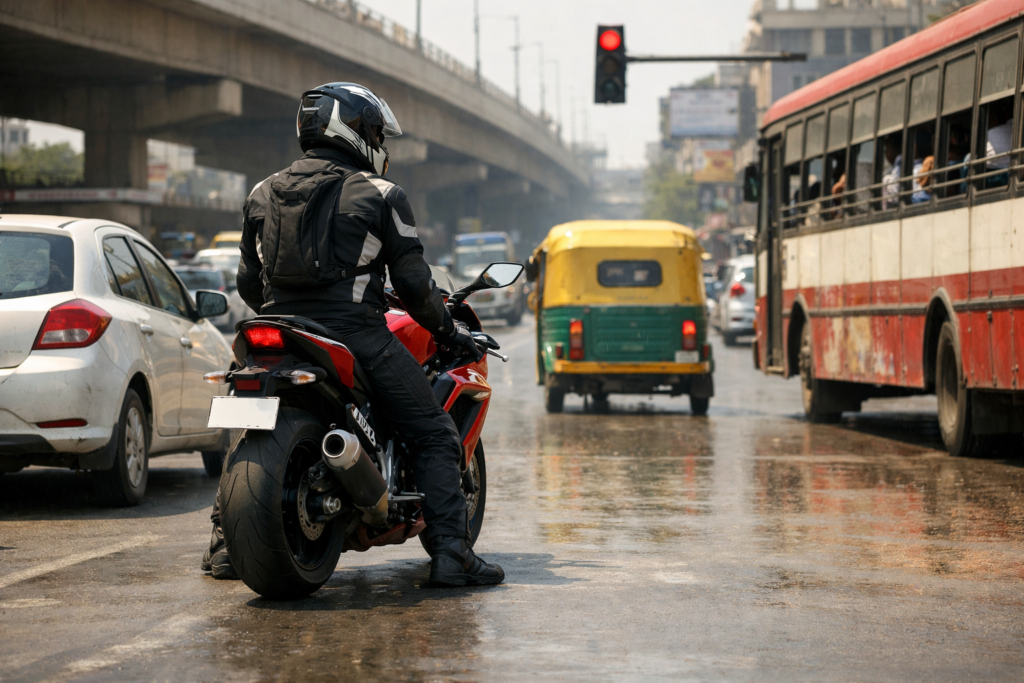
Superbike daily riding in India sounds exciting, but the real experience is very different from open highways.
For many riders in India, owning a superbike is a dream.
The sound, the power, and the road presence make it feel special every time you see it parked.
Once you own one, a natural question comes up.
If I have this bike, why not use it every day?
Daily riding sounds tempting.
Beating traffic a little quicker, enjoying the engine, and turning a boring commute into something you actually look forward to.
But Indian conditions are very different from open highways or racetracks.
We deal with heavy traffic, long signals, extreme heat, broken roads, and inconsistent fuel quality.
That’s where practical questions start.
How comfortable is a superbike in stop-and-go traffic?
What about engine heat, running costs, and maintenance stress?
In this blog, let’s talk honestly about what daily riding a superbike in India really feels like — without hype and without exaggeration.
Quick Answer:
A superbike is not practical for daily use in India for most riders due to traffic, heat, road conditions, and maintenance costs. However, short commutes, early-morning rides, and choosing the right bike type can make occasional daily use manageable.
- Why People Consider Using a Superbike Daily
- Problems of Superbike Daily Riding in Indian Traffic
- Maintenance and Ownership Costs in India
- Indian Roads, Fuel Quality, and Daily Riding Reality
- When Using a Superbike Daily Can Make Sense
- So, Is a Superbike Practical for Daily Use in India?
- Frequently Asked Questions
Why People Consider Using a Superbike Daily
For many riders, it starts with pure emotion.
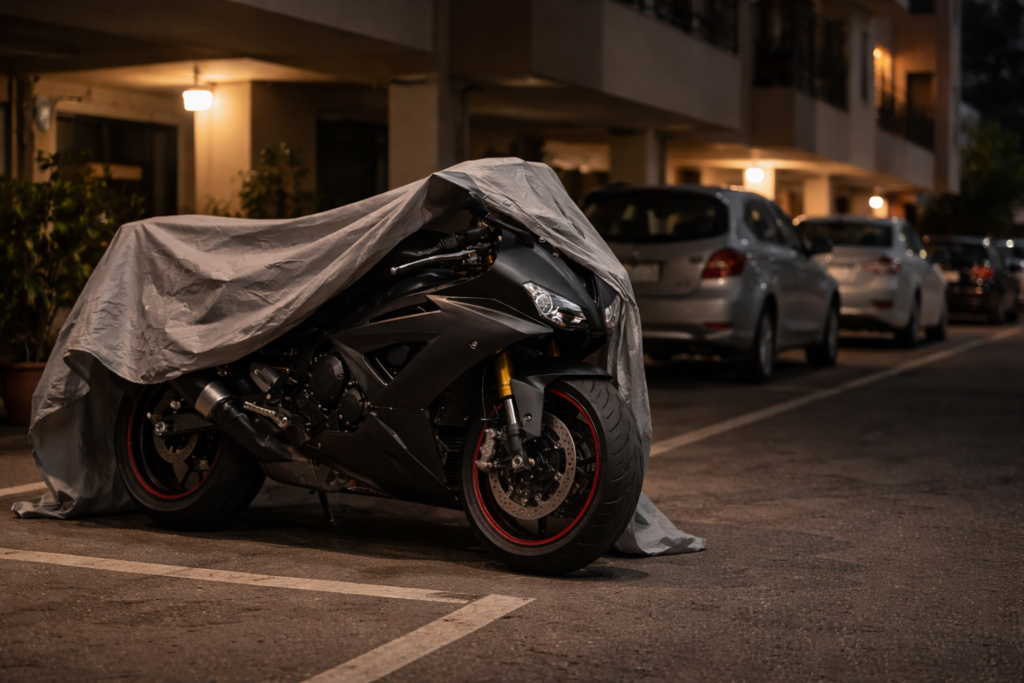
A superbike isn’t just a machine. It’s years of dreaming, hard work, and finally rewarding yourself. Once you own one, it feels wrong to leave it parked and covered most days.
There’s also a strong sense of pride.
Starting your day on a powerful motorcycle feels special. The sound, the pull of the engine, and the way people notice it can lift your mood even before you reach the office.
Then comes the convenience angle.
Owning one bike instead of maintaining two sounds simple. No switching keys, no deciding which bike to take out. One machine for work, errands, and weekend rides feels clean and practical.
Performance plays a big role too.
Even at city speeds, superbikes feel effortless. Overtakes need less planning, highways open up quickly, and the road presence adds confidence.
All these reasons are genuine.
They come from love for riding, not logic — and that’s exactly why daily use feels so tempting in the beginning.
Problems of Superbike Daily Riding in Indian Traffic
Engine Heat in Slow Traffic
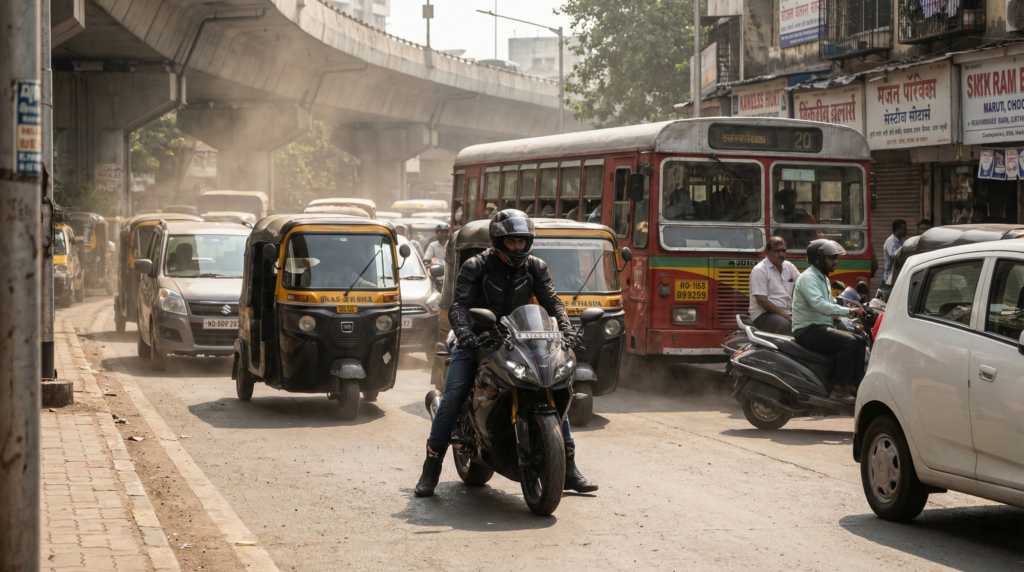
Superbikes are designed to stay cool when they are moving fast.
In Indian cities, you rarely get that chance.
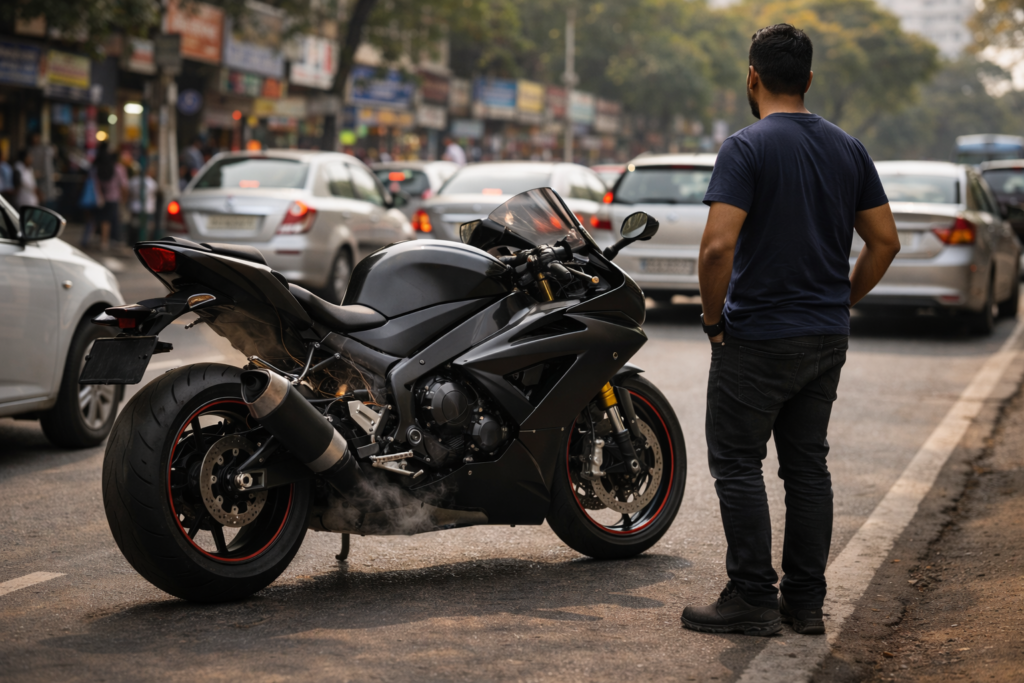
When you’re stuck at signals or crawling through traffic, airflow is minimal. Add summer heat and hot roads, and engine temperatures rise quickly. You feel this heat directly on your legs, especially during long waits at red lights.
This isn’t a fault with the bike. It’s simply not built for long periods of slow, congested riding.
Clutch Fatigue in Stop-and-Go Riding
City riding means constant clutch work.
Brake, clutch in, first gear, move a few feet, stop again.
Superbikes usually have heavier clutches than regular bikes. After a daily office commute, your left hand starts feeling tired. Over time, this constant use also puts extra stress on clutch components, especially in heavy traffic.
Difficult to Handle at Low Speeds
Superbikes feel amazing at speed but awkward when moving slowly.
They are heavy, wide, and have sharp throttle responses. In tight traffic or narrow lanes, you need full concentration just to keep the ride smooth. Simple U-turns or slow turns demand more effort than most people expect
Poor Fuel Efficiency in City Use
In traffic, the engine keeps running, but the bike isn’t really moving.
Frequent idling, low gears, and heat reduce fuel efficiency. Short daily rides often consume more fuel than relaxed highway cruising, making city usage expensive over time.
These issues don’t mean superbikes are bad machines.
They simply highlight why Indian traffic is a tough environment for bikes designed for speed and open roads.
Maintenance and Ownership Costs in India
Why Servicing Costs Are Higher
Superbikes are complex machines.
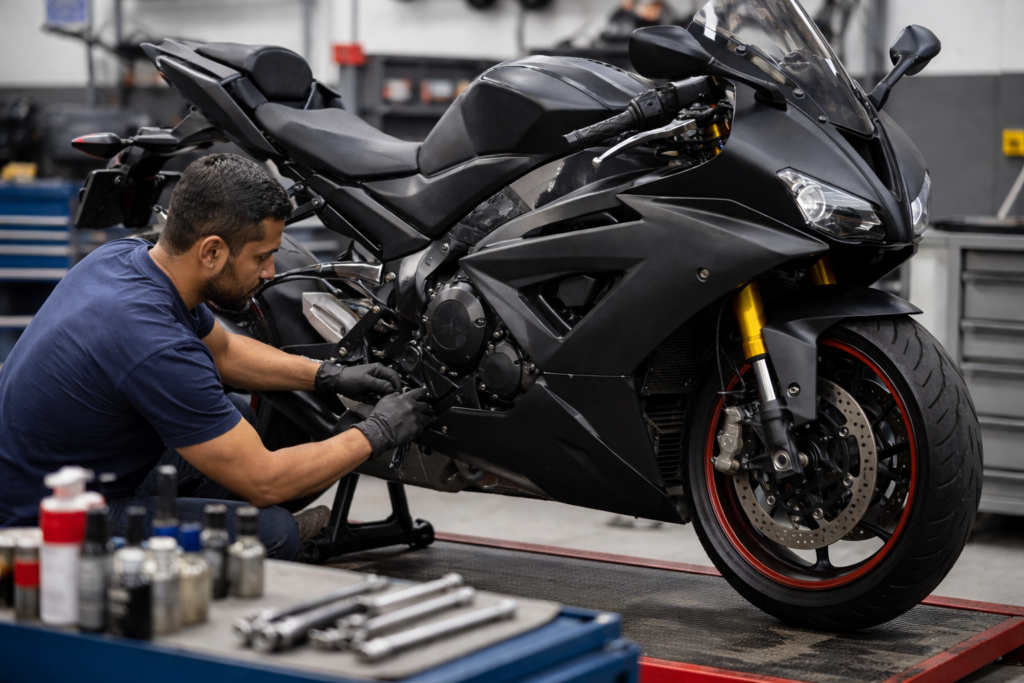
They use high-performance engines, advanced electronics, and tight tolerances. Because of this, regular roadside mechanics usually can’t service them properly.
In Indian conditions, heat, dust, and traffic add more stress. The bike needs careful inspections and timely servicing to stay reliable. This extra attention is what pushes service costs higher compared to regular motorcycles.
Why Tyres and Brakes Wear Out Faster
Superbikes are heavy and very powerful.
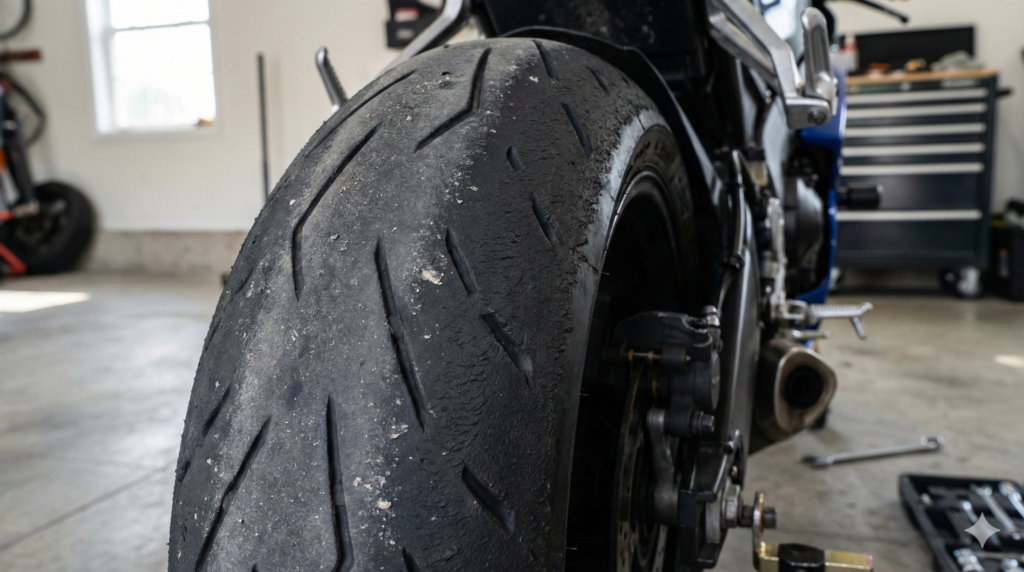
In city riding, you brake often, accelerate suddenly, and deal with uneven roads. This constant stop-and-go riding wears out brake pads and tyres quickly. These parts are built for grip and performance, not for long life in slow traffic.
Japanese vs European Superbikes
Japanese superbikes are generally more forgiving.
They handle heat, traffic, and fuel quality better and feel easier to live with on a daily basis.
European bikes focus more on performance and precision. They ride beautifully but demand stricter maintenance. In Indian conditions, they can feel more sensitive and more expensive to maintain.
Waiting Time for Spare Parts
Most superbike parts are imported.
If something breaks, parts may not be available immediately. Waiting for spares can take time, which means the bike may sit unused longer than expected.
Owning a superbike in India isn’t just about buying one.
It’s also about being prepared for the time, cost, and responsibility that come with it.
Indian Roads, Fuel Quality, and Daily Riding Reality
Potholes and Speed Breakers Everywhere
Indian roads can change suddenly.
A smooth stretch can turn into broken patches, deep potholes, or tall speed breakers without warning.
On a superbike, this means constant slowing down and careful riding. You stay alert all the time, worried about hitting something that could damage the bike or upset its balance. Over time, daily riding becomes mentally tiring rather than relaxing.
Low Ground Clearance Issues
Most superbikes sit low to the ground.
Tall speed breakers, uneven roads, and basement parking ramps turn into daily challenges. You crawl over them at awkward angles, hoping nothing scrapes underneath. Facing this stress every day slowly takes the fun out of short rides.
Stiff Suspension on Bad Roads
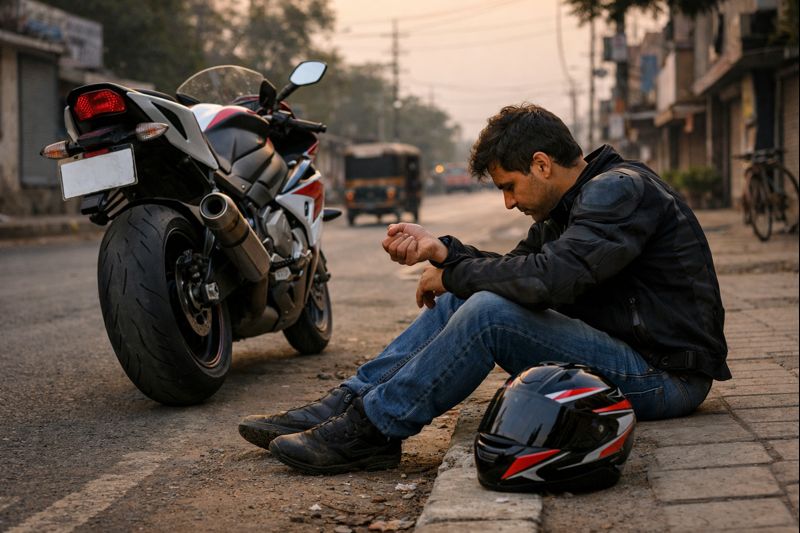
Superbike suspension is tuned for smooth roads and high speeds.
On rough city roads, it feels stiff and unforgiving. Small bumps travel straight to your back and wrists. With daily use, this constant jolting starts to feel uncomfortable, especially on poorly maintained roads.
High-Octane Fuel Availability
Many superbikes need good quality fuel to run smoothly.
In big cities, this is usually manageable. But outside familiar routes or smaller towns, finding the right fuel becomes a concern. This adds extra planning and stress when using the bike daily.
All these factors don’t stop you from riding.
They simply make daily commuting feel more demanding than it needs to be.
When Using a Superbike Daily Can Make Sense
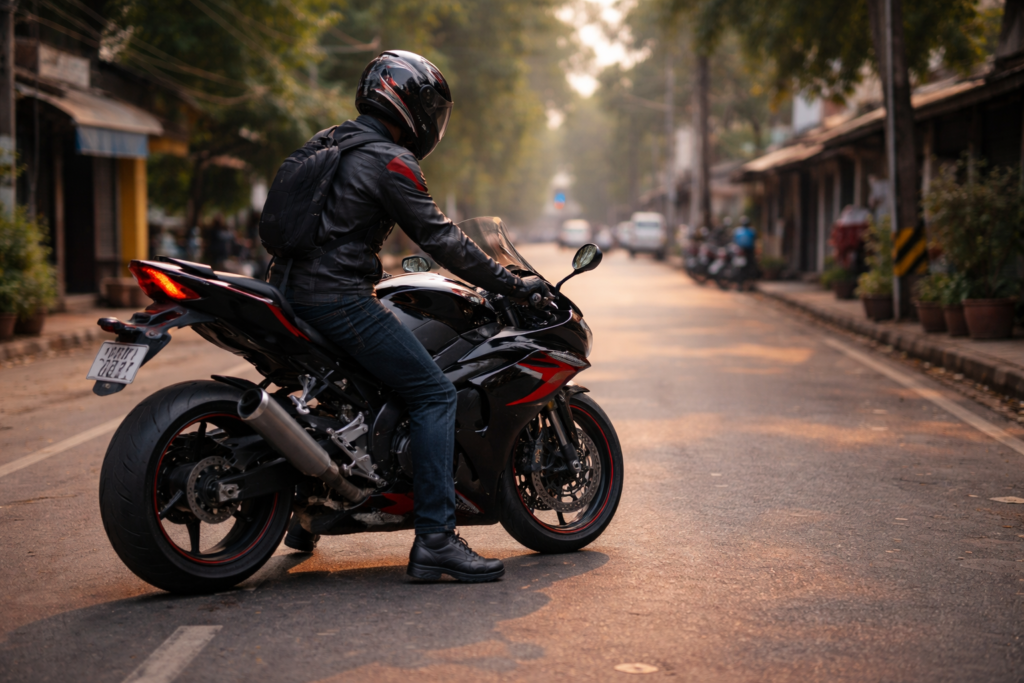
Daily riding on a superbike isn’t practical for everyone, but in certain situations, it can work.
If your commute is short, the stress reduces a lot.
A 5–8 km ride with fewer signals is very different from a long cross-city commute. Less time in traffic means less heat, less clutch work, and less fatigue.
Early morning or late-night riding also changes the experience.
Roads are clearer, temperatures are lower, and the bike stays cooler. In these conditions, a superbike feels smooth and enjoyable instead of frustrating.
The type of bike matters a lot too.
Naked bikes and touring-style big bikes are more comfortable in city conditions. They offer upright seating, easier steering, and handle heat better than fully-faired sport bikes.
Experience plays a role as well.
Riders who are used to heavy motorcycles and smooth throttle control find daily riding easier.
Finally, budget matters.
If maintenance costs, fuel quality, and occasional repairs don’t cause stress, daily use becomes more manageable.
In the right conditions, with the right mindset, a superbike can work — but it needs planning, not impulse.
More Practical Big-Bike Alternatives for Daily Use in India
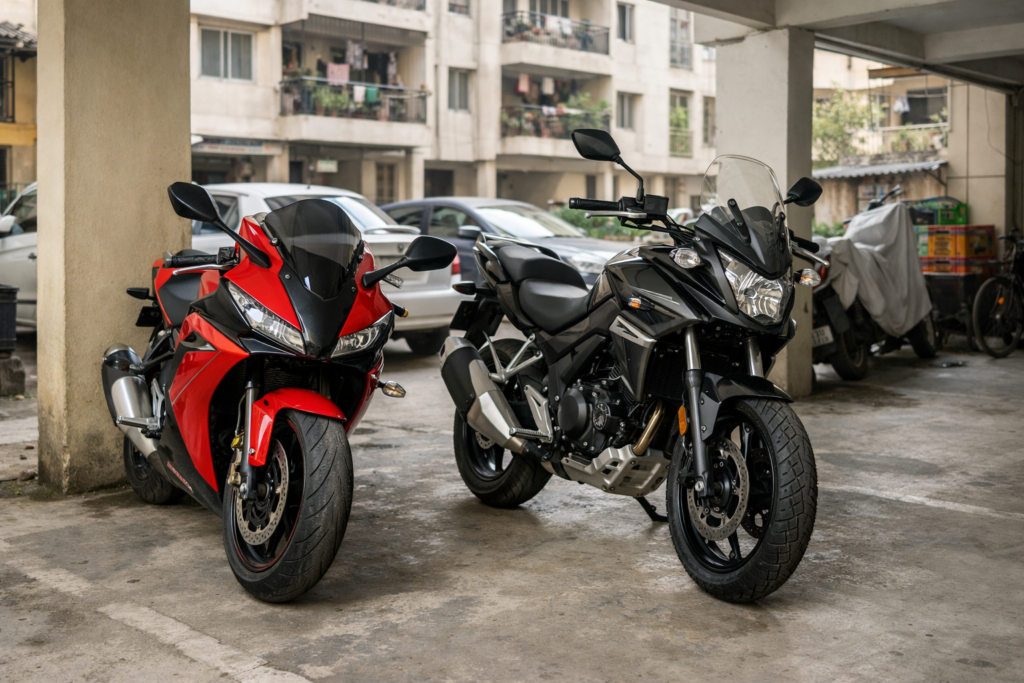
Not everyone who loves big bikes wants to struggle in daily traffic.
The good news is, there are large motorcycles that suit Indian conditions far better than full supersport bikes.
Naked Bikes
Naked bikes keep the performance but drop the extreme riding posture.
They offer upright seating, wider handlebars, and better control at low speeds. This makes them easier to manage in traffic and less tiring on the wrists and back. Engine heat is also easier to live with since they aren’t tightly wrapped in fairings.
Adventure Bikes
Adventure bikes are built for rough roads.
They come with higher ground clearance, softer suspension, and long travel. Potholes, broken patches, and tall speed breakers feel far less stressful. The taller seating position also improves visibility in traffic, making daily rides calmer.
Sport-Tourers
Sport-tourers sit somewhere in between.
They offer strong performance without the aggressive riding position of supersport bikes. The engines are smoother at low speeds, and the posture is more relaxed. This makes them comfortable for both city use and longer highway rides.
These bikes don’t take away the excitement.
They simply make daily riding more comfortable, more relaxed, and more realistic for Indian roads.
So, Is a Superbike Practical for Daily Use in India?
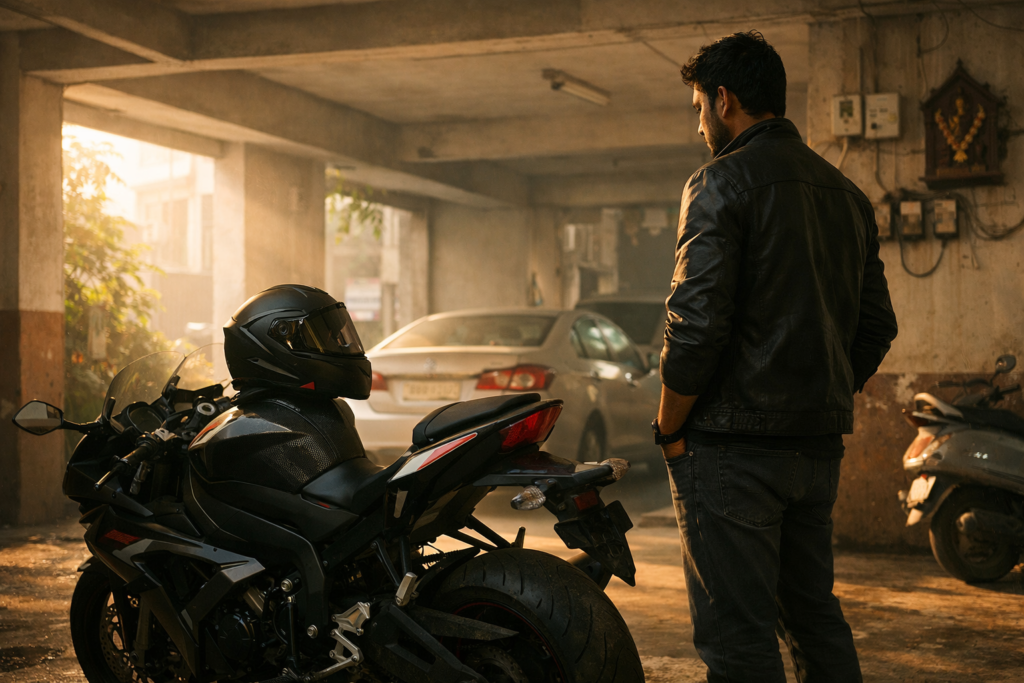
The honest answer is — for most people, not really.
Indian traffic, road conditions, heat, and running costs make daily superbike use tiring over time.
If you’re considering ownership, it’s also important to understand the hidden costs of owning a superbike in India, especially when maintenance, parts availability, and servicing delays are involved.
What feels exciting at first can slowly turn into stress, especially during long commutes and peak-hour traffic. This doesn’t mean the bike is bad. It simply means it’s being used in conditions it wasn’t designed for.
That said, owning a superbike is an emotional decision.
You don’t buy one with a calculator — you buy it with your heart. And there’s nothing wrong with that.
The practical approach many riders choose is balance.
A simple, comfortable bike for daily office runs and errands, and the superbike saved for early mornings, weekends, and open roads where it truly shines.
When passion and practicality are kept separate, riding stays enjoyable.
You reduce stress, protect the machine, and still keep the dream alive — exactly how a superbike deserves to be enjoyed.
Frequently Asked Questions
Is it okay to use a superbike every day in Indian cities?
It is possible, but not ideal for most riders. Heavy traffic, heat, and rough roads make daily use tiring over time, especially during peak hours.
Do superbikes really overheat in Indian traffic?
Yes, this is quite common in slow-moving traffic. Superbikes need steady airflow to stay cool, and stop-and-go city riding doesn’t provide enough of it.
Are maintenance costs much higher than regular bikes?
Yes. Superbikes need specialised servicing and imported parts, which makes routine maintenance more expensive and sometimes time-consuming.
Are superbikes comfortable for city riding?
For short rides, they can be manageable. But long daily commutes often strain the wrists, back, and left hand due to riding posture and constant clutch use.
How do Indian roads affect daily superbike riding?
Potholes, tall speed breakers, and uneven surfaces demand constant attention. This increases riding stress and reduces comfort during daily use.